
“Be strong; you’ll get through this; you’ve gone through worse.” We’ve all heard these words during tough times- grief, setbacks, disappointments. They’re meant to encourage us, but is pushing through really the secret to happiness? The pursuit of happiness is undeniably one of everyone’s deepest wishes. We all want to experience moments of peace, joy, and fulfillment. However, when life throws us curveballs- grief, failure, disappointment- the first thing people often tell us is to be strong, to push through it.
Here’s my question: does being strong alone lead to happiness, or is it merely a temporary way to cope with pain and mask the deeper emotions we need to address? Strength, in the traditional sense, often means enduring hardship, suppressing any signs of vulnerability, and moving forward without showing weakness. However, can this approach really lead to lasting contentment, or does it just force us to carry on without truly processing what we’re going through?
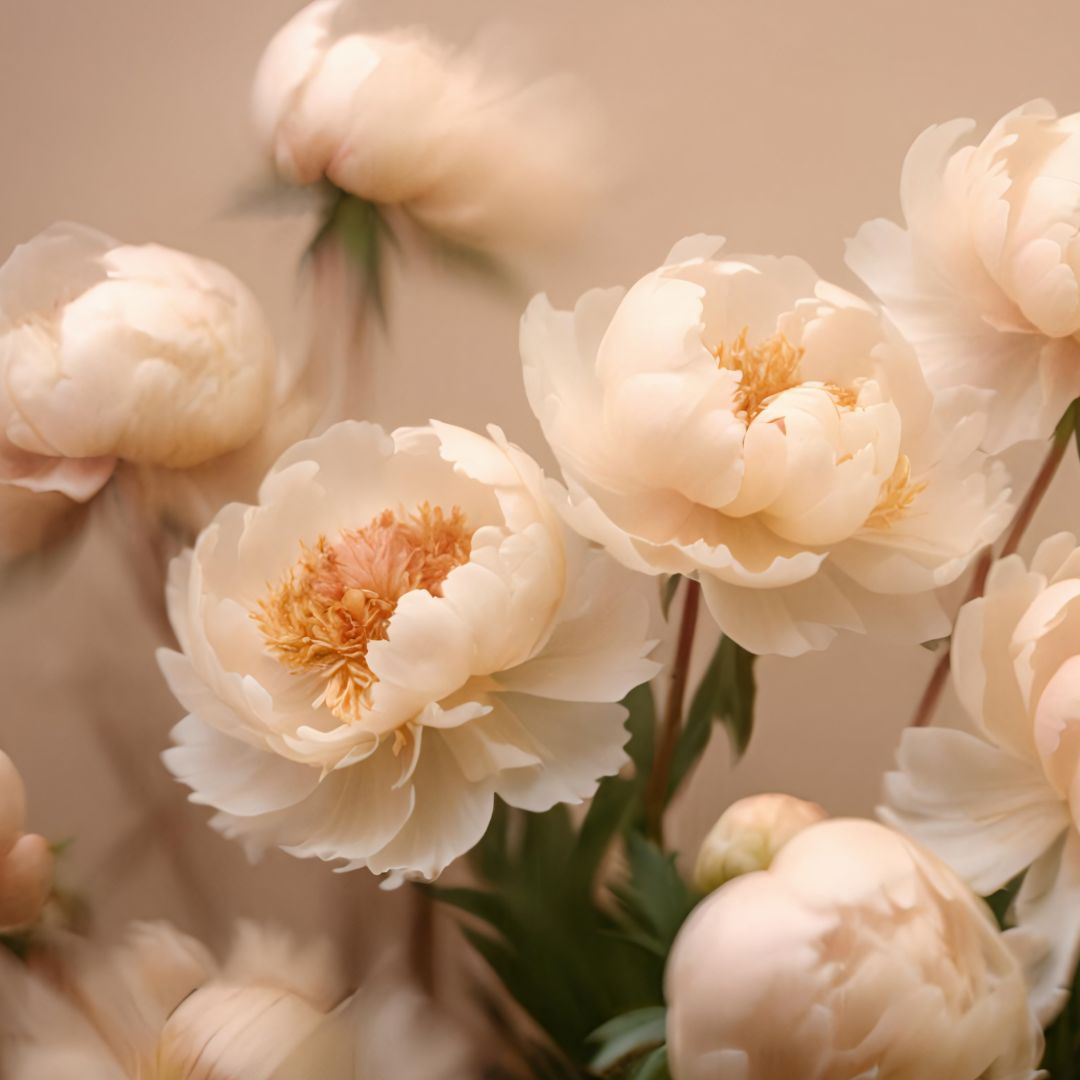
That’s a big question. So, let’s take a moment together. Breathe in deeply for four seconds, hold it, then breathe out slowly for four more. When I need a breather, I turn to nature. I gaze at the moon and its gentle glow, or feel the warm sunlight illuminating my face, calming and grounding me. I literally stop to smell the roses. They make me feel less alone; they are my quiet support system. Flowers bloom and blossom, vivid and beautiful. They grow through changing seasons, thriving in spring and enduring the harshness of winter. Ironically, although flowers are the living, breathing embodiment of beauty and happiness, when their time comes, they wither and die without a sound. They don’t cry out for help or shed tears; they simply fade away in silence.
Living in the city, I’ve come to cherish my weekly tradition of buying fresh flowers for my apartment. Amid all the hustle and bustle, all the noise and concrete, having a beautiful part of nature makes me feel grounded. As you might guess, I buy new flowers each week because they don’t last forever. Curious to make them last longer, I looked up different methods: adding a bit of bleach to their water, using flower food powders, and more. I tried them all, but none truly worked. By Day 4, the petals started to brown, and if I kept the flowers beyond a week, by Day 9 their colors would fade entirely and lose their strength. Exasperated after trying every method to make the flowers last longer, I paused and asked myself why I was so desperate for them to stay. In that quiet moment, I realized something important: just like us, flowers follow a natural cycle of blooming with beauty and joy, but also withering through grief and loss. Their brief, fragile bloom is a gentle reminder that life’s moments (both bright and painful) are temporary.
Flowers, with their beauty and quiet fading, remind me of another kind of beauty and silence, Helen of Troy. Recently, I’ve been captivated by Greek mythology (maybe a leftover effect from three grueling years of Latin in high school). After reading a few adaptations concerning the Trojan War, I sat to contemplate Helen of Troy for a bit. Similar to a flower, her beauty blossomed, so incredible that she was said to be the daughter of Zeus. Yet, her beauty did not shield her from suffering. Her struggles were countless: her abduction by Theseus as a child, the emotional strain from her marriage to Menelaus, and, during the Trojan War, isolation and hatred from both the Greeks and the Trojans. Virgil, in the Aeneid, captures this tension perfectly. He writes that when Troy was falling, Helen was blamed for the war, her beauty held responsible for the destruction of an entire civilization. The Trojans, enraged by the devastation, nearly killed her, seeing her as the cause of their ruin.
“Atque illi, ut vacuae videre ruinae
et hostem, sceleri incensus agmina ducis,
ac veluti famae moraeque, iniqui omnes
accedunt, et Helenam, furiis agitantur.”
— Virgil, Aeneid 2.567-575Translation:
“And when they saw her standing there, with the ruin of the city all around,
they were filled with rage, blaming her for the fall of Troy.
The Trojans, with the fury of madness, advanced toward her.”
Her beauty, once so admired across the Greek cities and even in the foreign city of Troy, became the very catalyst for the deaths of Greek and Trojan civilians and warriors alike, the destruction of families, and the extensive suffering of women and children who were desecrated in the wake of war. How did it feel to carry the weight of all that on her shoulders? Trapped in a city with no friends or family, she faced the cruel reality of being both a symbol of desire and a scapegoat for disaster. She left one husband for another, only to find that he, too, desired only her beauty and treated her just as horribly. Her precious niece was slain at the start of the war, a sacrifice to the gods to win their favor, leaving Helen to witness the carnage, her grief swallowed by the ongoing destruction. Each day, she saw the injured and the grieving, all of them blaming her for their ruin. We will never know her true feelings, only the words written by the men who sought to place the blame at her feet. Like a flower bent under the weight of the wind, she remained silent amidst the storm, her voice lost in the chaos that she could neither control nor escape.
Helen’s story raises a question about suffering and silence: perhaps the true path to happiness isn’t about pushing through life’s pains, but it comes from learning to sit with our pain, our fears, and our uncertainties. Many of us carry our anger in silence, or like Helen, could find ourselves trapped under the weight of unspoken words. We even might fear judgment, misunderstanding, or rejection when we finally do voice our concerns. However, the ability to be vulnerable, meaning to embrace discomfort instead of hiding from it, may be what ultimately leads us to peace.
True strength might not lie in suppressing our feelings or simply “getting through it,” but in having the courage to feel deeply, process fully, and heal authentically. What I’m trying to say is that happiness may not be something we need to chase, but something we discover when we allow ourselves to experience life in all its complexity, both the highs and the lows. Happiness (or perhaps contentment) is not found by pushing through pain, but by healing through it. It comes from embracing all that we feel and being okay with it.